Skip to content

The Idea of the Week
In an 11-minute video, Dr. K from HealthyGamerGG shares how to Reframe From Goals to Actions. Having a clear goal helps us with direction, but when we focus too much on our goal, we move farther away from our goal. Conversely, “focusing on the action, and ignoring the result, actually moves you closer to the result.” You cannot completely control your results, but you can control your actions.
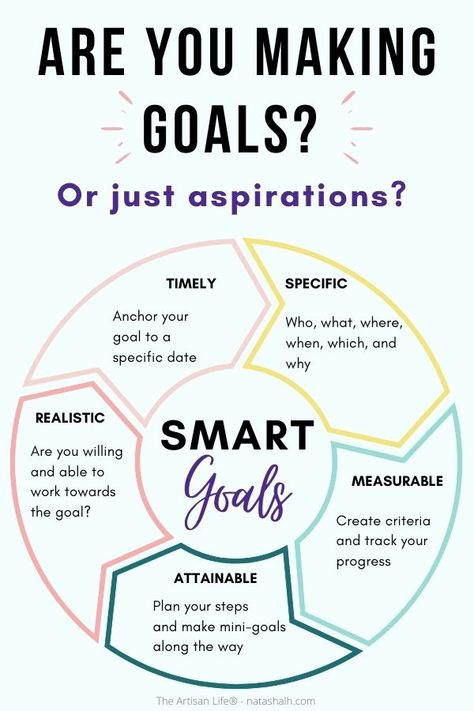
As we continue on to our practice of the week, keep this in mind as you set your SMART goal.
Practice of the Week
For this exercise, you’ll want to take out the journaling method that works best for you, such as pen and paper, a blank document on your computer, a speech-to-text, etc.
First, think of an area of your life where you want to focus, e.g., health, relationships, career, financials, adventure, soul, personal development, or creativity. Then think about what you want to achieve in this area of your life and answer the questions below. Feel free to bounce between the questions, skip and come back to them.
S: Specific
(simple, sensible, significant)
A vague goal is difficult to achieve because the unclear parameters will feel out of reach and overwhelming. To work out the specifics, let’s answer the 5 “W”s:
- What do I want to accomplish?
- Why is this goal important?
- Who is involved?
- Where is it located?
- Which resources or limits, either internally or externally, are involved?
M: Measurable
(meaningful, motivating)
Measurable goals will help us track our progress and stay motivated. Tracking our progress also helps with evaluating if we are meeting our deadlines.
- How much, or how many?
- How will I know when my goal is accomplished or when I have succeeded?
- How many accomplishments or actions will it take?
- What are my milestones and at which points will I reward myself?
A: Achievable
(agreed, attainable)
Making sure our goal is achievable and realistic means that the goal should stretch our abilities but still remain possible and not wear us out to the point of exhaustion and burnout.
- How can I accomplish this goal?
- How realistic is this goal based on other constraints and limits?
- What things in your life will make it harder to achieve this goal?
- What things in your life will support this goal?
- What support will I need to achieve this goal?
R: Relevant
(reasonable, realistic, resourced)
A goal that is meaningful and matters to us is one we’ll be more motivated to achieve and retain control over. Furthermore, a goal that is relevant to us right now may have fewer obstacles or feel more fulfilling or more motivating to achieve. We can have goals that matter to us but may not be entirely relevant right now. It’s okay to set them aside for now.
- Is this the right time?
- Does this seem worthwhile?
- Does this match my other efforts or needs?
- What will be different after?
- Am I willing to commit my time and energy to this goal right now?
T: Time-bound
(timely, time/cost limited, time-sensitive)
Goals with a time limit or a deadline can help us stay focused on keeping on track. However, unrealistic time limits and deadlines can feel challenging and demotivate us from achieving our goals. Pressuring ourselves to commit to a set deadline may feel stressful, but having a loose timeline can have us falling into the trap of procrastination and pushing it off to “someday.”
- What can I do six months from now?
- What can I do six weeks from now?
- What can I do today?
- What is a small yet incremental step that I can incorporate into my daily or weekly routine, so that I am keeping steady progress?
- When and how often will I check in on my progress and re-evaluate?
What are your SMART goals? Share with us on our Instagram or Facebook page!
News of the Week
Sign up for our newsletter to be the first to know about upcoming events and special deals!
The Thought of the Week
Wishing you a peaceful week!