Skip to content
The Idea of the Week
Creating art is a cathartic release. You release all these building emotions and spill them onto the page, whether through words, lines, or colors. The page can carry the weight of the stress and give your shoulders a rest.
Art is a powerful tool for stress relief and combating negative moods. It is a form of expression and can help you work out or process something difficult or challenging that is happening in your life. You don’t need any artistic abilities for this stress reliever.
Do you remember the days in school when you would listen to a lecture and you’d begin doodling in your notebook? Often, doodling in the margins or a wadded ball of ink on the page actually helped you listen to the lecture better, even though it seems like you weren’t paying attention at all. Well, there is a science to this art. In this 7-minute article, PsychologyToday shares How Doodling Helps Kids with ADHD to Focus.
The Practice of the Week
Today’s exercise is called neurographic art. Rather than forcing yourself to sit your body and mind still and keep your thoughts from wandering, this exercise cultivates mindfulness by drawing your attention to your drawing and feelings.
During the process, you will tap into your feelings around a challenge you identify. The art piece you create becomes a visual representation of your challenge and healing. But, hold on! The art product does not have to be perfect, complete, or a masterfully symbolic piece of work of your experience. It can (and most likely will) be messy, incomplete, incoherent, and illogical. That’s okay.
We’ll be following along with this Neurographic Art Tutorial (a 7-minute video), which is broken down into several steps with the corresponding timestamps below.
And a reminder before we begin: there is no right or wrong way to do this activity. There is also no rubric, and it does not matter how the final product looks. This activity is focused on the process of doodling, rounding corners, untangling the issue, and coloring. So, let go of the expectations, the “shoulds,” and perfectionism. Lean into the process!
Neurographic Art Tutorial
0:24 About Neurographic Art
0:50 Getting Started: Neurographic Art Exercise
1:10 Step 1: Pause and breathe.
1:19 Step 2: Call to mind an aspect of your life that is stressful or challenging.
1:35 Step 3: Grab your pen, feel the emotions, and scribble on the page. Scribble all over. Heave the lines across the page. Continue for about 10 seconds or until you feel good to pause.
1:49 Step 4: Now, find any lines that end in the middle of the paper. If you have a line that stops in the middle of the paper, continue drawing the line until it reaches the edge.
2:03 Step 5: Notice the overlapping lines on your paper, where the lines intersect. They create little points at their intersection. For this step, identify each of these points and round them out. This process of rounding out the joints can be calming and meditative.
2:45 Step 6: After rounding the points, feel free to add additional lines as you wish. Then, after you’ve made new lines, round out the corners again like you did in step 5.
3:18 Step 7: Now, it’s time for color! Use whichever medium you prefer, watercolor, paint, color pencils, etc. Color your drawing however you like. There’s no right or wrong way to color it in!
Closing Thoughts
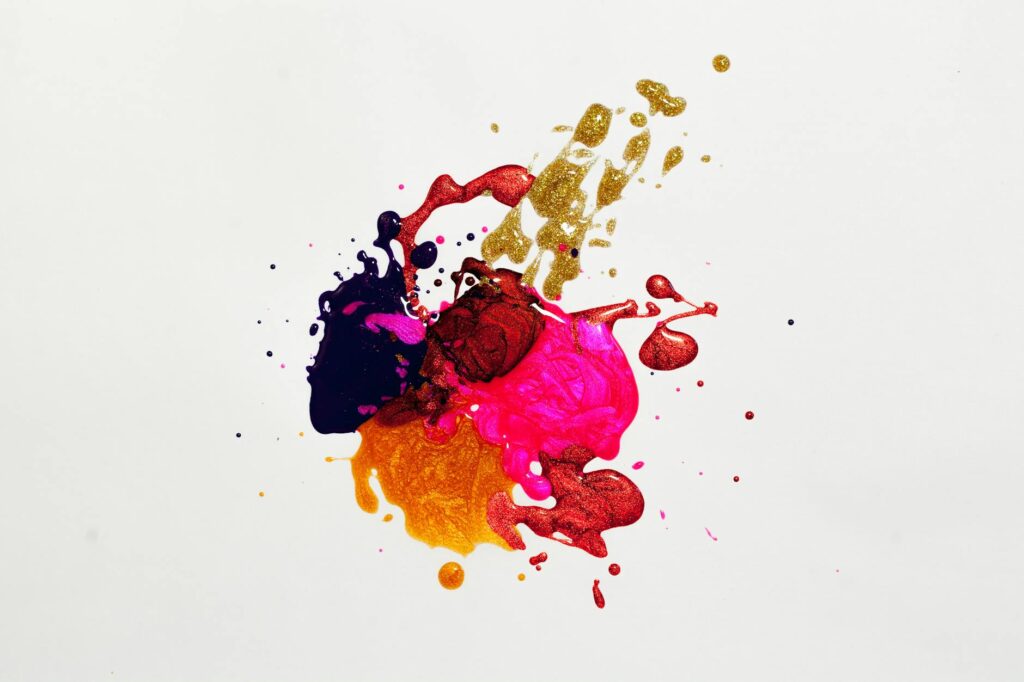
If, however, you do still feel plagued by thoughts that “it must look good” or “it needs to be perfect,” then try challenging yourself to make the worst thing you’ve ever made. Make it ugly. Mix up your favorite or least favorite colors. Spill the paint onto the canvas or splatter it. Play with it. Purposefully make a mistake.
Remember, it’s not about the product; it’s about the process.
Feel free to share your art process or your art with us on our socials!
News of the Week
Sign up for our newsletter to be the first to know about upcoming events and special deals!
The Thought of the Week

Wishing you a peaceful week!