Skip to content
The Idea of the Week
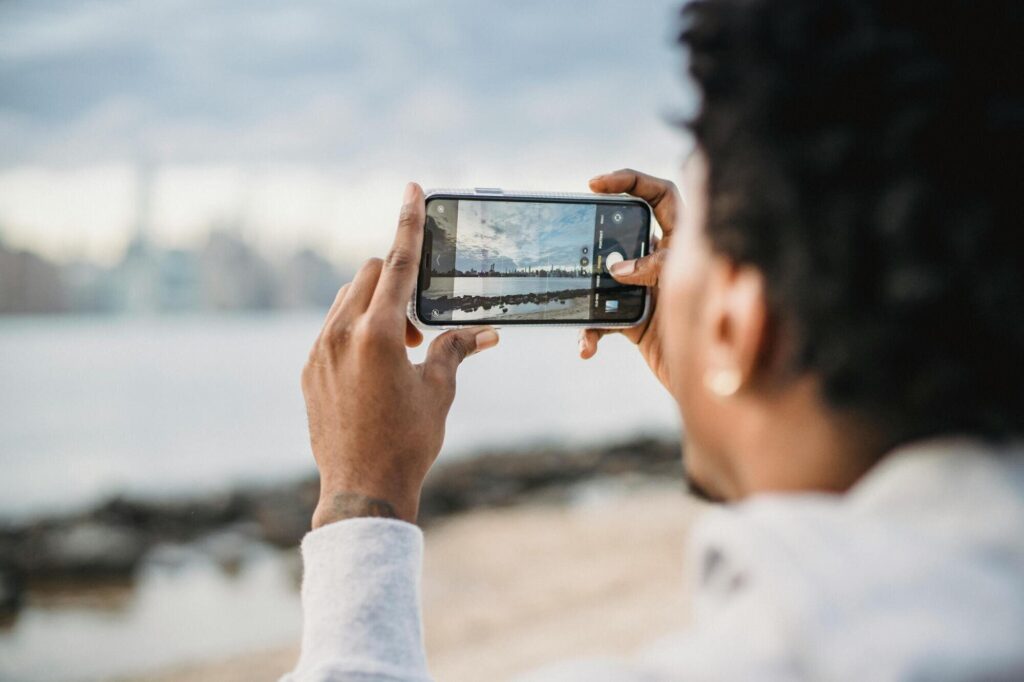
Photos are both an art form and a tool. In art, it can be used to capture a beautiful scene. As a tool, it can aid us in remembering moments that fade from our memory with time. In our digital age, however, we may fall quickly into a trapping feeling: that if we don’t take a picture, we might miss out on preserving the memory.
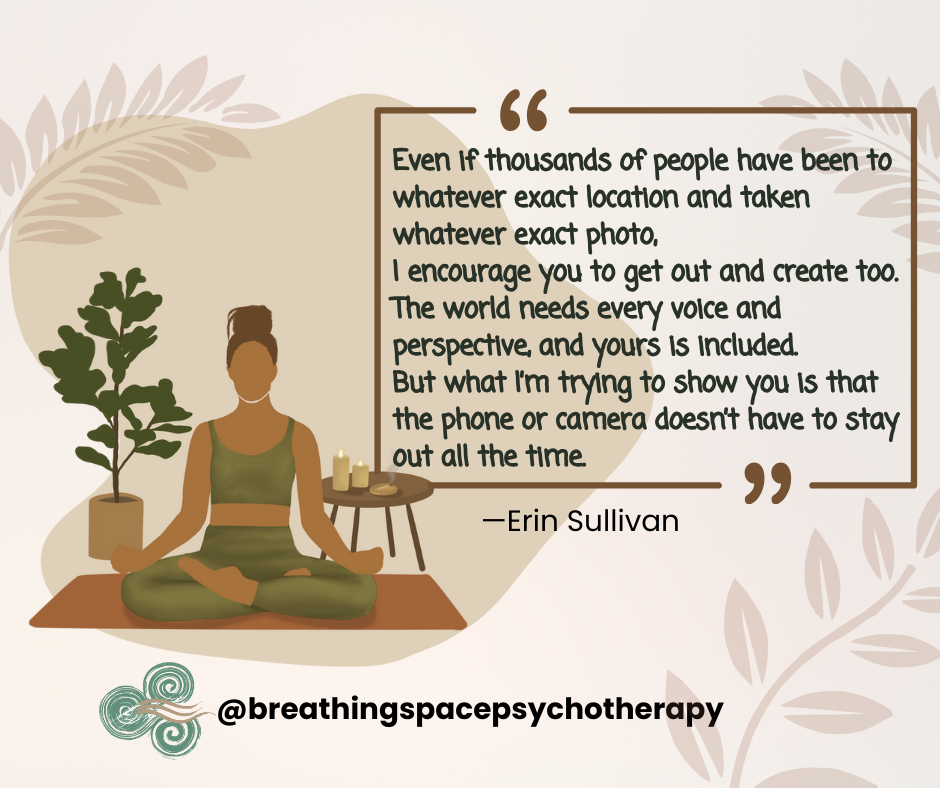
But, Does photographing a moment steal the experience from you? In this 8-minute TEDx Talk, photographer Erin Sullivan asks an important question: “When does it help me to have my camera out, and when do I just need to put it away?”
The Practice of the Week
Can too much photo-taking undermine your memory of the moment? In a 9-minute NPR article, a study suggests that taking photos might make it harder to remember the moment itself.
This is not to discourage you from never taking a photo again. Instead, the key is finding balance. It’s about asking Erin’s question: Could this moment be more meaningful without a camera between me and the world? Below are a few tips to make the most out of photographing and the experience:
- Limit the Snapshots. It is tempting to pick up the phone and take a photo so we do not forget the moment. Challenge yourself to take a couple of photos fewer than you normally do. Or, challenge yourself to only take 1-2 photos.
- Take Candid Photos and Be Intentional with Your Photos. When we envision a beautiful scene, we may tend to take that “perfect” photo—the photo that is worthy of Instagram. Include your loved ones in the photo, and be mindful of what your goal is with the photo.
- Put Down the Phone. Remember to be there for the experience of being there. Put down the phone to give yourself the space to fully experience the moment with your senses.
- Take Mental Snapshots. Before reaching for your phone, try taking a mental snapshot. What do you see? What are the textures, colors, and shapes? How does light hit the scene?
- Lean into Your Senses. What feelings does this scene evoke? What do you smell? What can you touch? What can you taste? Is there a taste in the air? Are you eating or drinking anything? The more you can lean into your senses, the more likely you will be able to recall the scene.
- Practice Describing the Scene. Try describing it aloud as you view the scene. Try describing it to someone who did not see it. Or, describe it to someone who is also experiencing it and paint the picture together. What do you both notice? Do they notice something you did not?
- Reflect on Your Experiences and Photos. Like studying, the more regularly you reflect on an experience and the photos, the more likely you will be able to recall the experience. The photos can serve as visual cues to help you recall the mental images of the experience.
- Back Up Your Photos. Take some time every now and then to back up your photos. Some options to back up your photos include:
- Apple iCloud
- Google Photos
- Dropbox
- Amazon Photos (for Amazon Prime members)
- Facebook or Instagram. While not a primary backup or secure solution, it is an option to store and share important photos.
- Microsoft OneDrive
- USB Flash Drives
- Portable Hard Drives
- Organize Your Photos into Albums. To keep your digital memories easy to find, organize your photos into albums. Label them by date, event, or theme. This will make it easier for you to find that one photo from that one event without being overwhelmed with a cluttered camera roll.
News of the Week
Sign up for our newsletter to be the first to know about upcoming events and special deals!
The Thought of the Week
Wishing you a peaceful week!