Skip to content

The Idea of the Week
In life, we sometimes hold on to things that weigh us down—grudges, old expectations, past experiences, or even toxic relationships. These things, once meaningful, may no longer support the person we are becoming. Learning to release what no longer serves us is an act of self-compassion and courage.
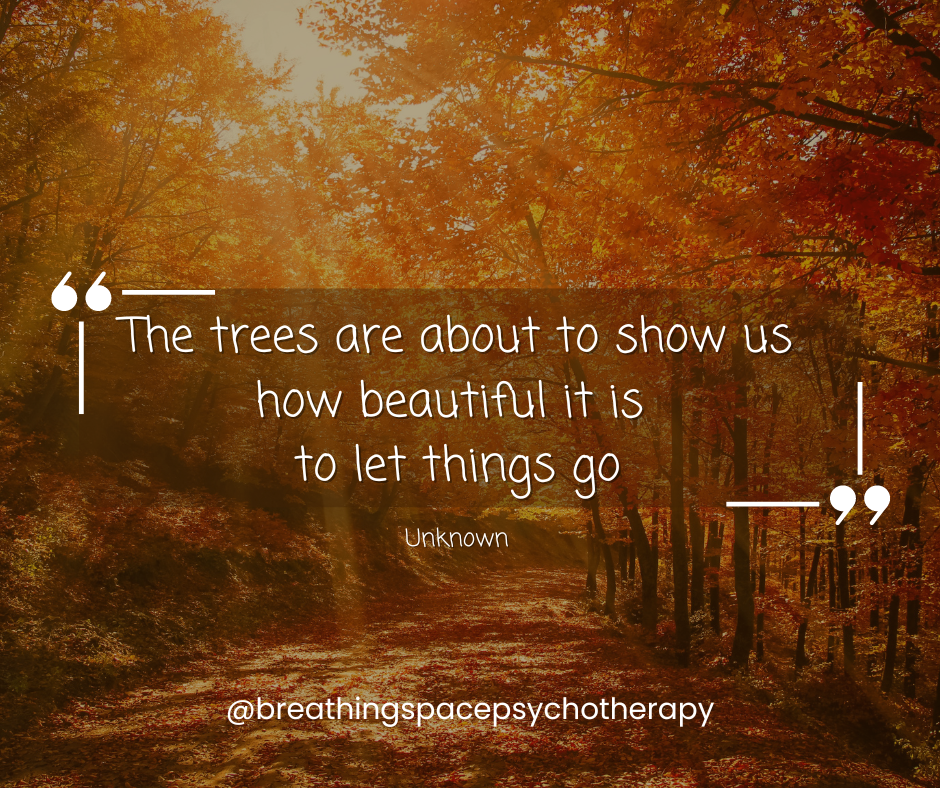
We may be tempted to think that letting go means we are losing something—that letting go is a loss. But letting go is an invitation for fresh opportunities and positive energies. Letting go isn’t about losing—it’s about making room for the possibilities waiting to enter your life.
The Practice of the Week
Kim Foster, M.D., from YouTube, outlines 3 steps to Let Go of What No Longer Serves You (13-minute video). Whether it’s old habits, toxic relationships, or limiting beliefs, this method provides a structured way to reflect and move forward when letting go feels like a daunting task.
Step 1: Identify what no longer serves you.
Look for the indicators that something is no longer working for you. Kim Foster lists 3 signs that indicate you should evaluate that area: constant stress or anxiety, lack of joy, or feeling stuck.
Another way you can identify what no longer serves you is to look at the areas where clutter piles up. This can be physical clutter, unresolved feelings or grudges, or toxic relationships that drain your energy.
Check out Kim Foster’s exercise to identify these areas.
Step 2: Reflect on the emotional challenges of letting go.
Letting go is difficult. This step acknowledges those difficulties. “Even when something is no longer serving us, it can feel safer to hold on than to face the fear of the unknown,” Kim Foster says. We seek comfort in the familiarity of what we know.
In this step, ask yourself, “What is stopping me from doing X?” Take note of the reasons, excuses, defenses, or limiting beliefs that come up. Alternatively, think of what area it is you are feeling stuck in and write down all of your beliefs around this topic. Even if the belief feels cringy, write it down. Give yourself some time with this, too, as you may have to dig around to get those buried beliefs.
Once you have a list of beliefs, ask yourself, “Where did I learn this belief?” Then listen to what comes up. Ask yourself, “Is this belief true? Are you absolutely sure this belief is true?” Think of any moment that contradicted this belief.
Challenge the view that letting go is a loss by asking yourself, “What positive change could come from releasing this burden? How might my life be improved?” You can also do this while rewriting your belief.
When you are certain that this belief is not true 100% of the time, rewrite the belief. Make the belief into an affirmation. Or, make a vision board. Do something to help remind you of this new belief.
Step 3: Practice ways of letting go.
In the video, Kim Foster offers several practical ways of letting go, including methods to declutter, limiting time with someone from a toxic relationship, and addressing limiting beliefs.
News of the Week
Sign up for our newsletter to be the first to know about upcoming events and special deals!
The Thought of the Week
Wishing you a peaceful week!