Skip to content

The Idea of the Week
Let’s look at some examples of someone forming an identity around a trait and how it may impact them.
I am not a morning person, therefore I can’t get up early in the morning. I’m tired when I wake up. I can’t ever do yoga because yoga is for early morning people. I am a coffee monster. I need caffeine to wake up.
So, this person determined that cutting down on coffee and waking up early are impossible. They are not the kind of person who can do those things like everyone else. They identify themselves as a Night Owl, and they do Night Owl things.
Night Owls don’t wake up early; they stay up late working on projects or scrolling on phones. They need caffeine to wake up. They spend all their money on buying energy drinks to stay awake throughout the day, only to feel wired at night, and crash in the morning.
I am not a cook. I make bad food. The fire alarms set off every time I put something in the oven. The food tastes awful. I don’t know recipes. I’m lucky if I don’t set the microwave on fire. I’m stuck eating microwaved meals for the rest of my life.
So, this person determined that they are incapable of cooking. They identify as Not Cook and don’t buy recipe books or watch YouTube videos on how to make certain meals because they are Not a Cook.
When they try to cook a meal, they give up at some point because they “know” it will turn out badly anyway, and they’ll just have to order take-out for the fifth time that week. So instead, they choose prepackaged meals, or take-out foods, or spend all their money on DoorDash because being in the kitchen and cooking something edible is impossible.
I am a loner. I will be alone forever. No one likes me. Even I don’t like me. I never say the right things, and I can never get a second date.
So, this person determined they will never find “The One.” They decided they are the kind of person that people don’t want or can’t love. They conclude that their date could never love them before they’ve even met.
So they go on their first date in disbelief: why would this person ever want to date me? So during the date, they lament about their loneliness and question why the person is on a date with them because they had decided that love was impossible for them.
Sometimes, even the myths about our positive identities can negatively shape our actions. For instance:
I am an artist, a suffering artist. Great artists make their best work when they are suffering. They sacrifice eating and taking care of themselves because they are so lost in the art. I must suffer so I can do art.
So, this person makes unhealthy choices or continues to live an unhealthy lifestyle because that’s what great suffering artists do. They sacrifice their well-being for art, except that the suffering artist is a myth. Their mind have romanticized suffering and keep them locked in, so they do not have to face the work that comes with healing.
They will also add onto their suffering when they inevitably do not create (e.g., I should be creating. I should be writing. Why can’t I do it?). They have no motivation, fatigue, low energy, can’t focus, etc., to create likely because they have not cared for their well-being.
Your sense of identity shapes your actions.
What do you notice about these examples?
When we create a sense of self and we identify with something, we form beliefs about what it means to be [fill in the blank]. We determine what we are capable of and what we are incapable of doing. So we do not do things related to what we are “incapable” of, and thereby we create a self-fulfilling prophecy.
The Practice of the Week
How do we break the self-fulfilling prophecy? Dr. K suggests we break our sense of self—that sense of self that holds onto those beliefs about our incapability.
How do we break our sense of self? We do the impossible.
At least, what we believe is impossible for us.
“We have to give the brain experience. We need to give it data,” Dr. K says. So we need to experiment and prove to our minds that we actually are capable of doing these things. Right now, if you only think about whether or not you are capable of doing something, your mind will disprove it and drag up its Evidence: Your Past Failures in a big manila folder.
But remember, these experiences were filtered by your sense of self ,and you acted on those beliefs.
To do the impossible, Dr. K suggests this practice:
- Make a list of 5 things other people can do but you believe you can’t.
- Choose 2 of the items. These will be your primary items to work with for now.
- Decide on a time and place for those items. Where will you do it? When? How will you accomplish it? Get small and concrete. Make it realistic.
- Do it.
News of the Week
Sign up for our newsletter to be the first to know about upcoming events and special deals!
The Thought of the Week
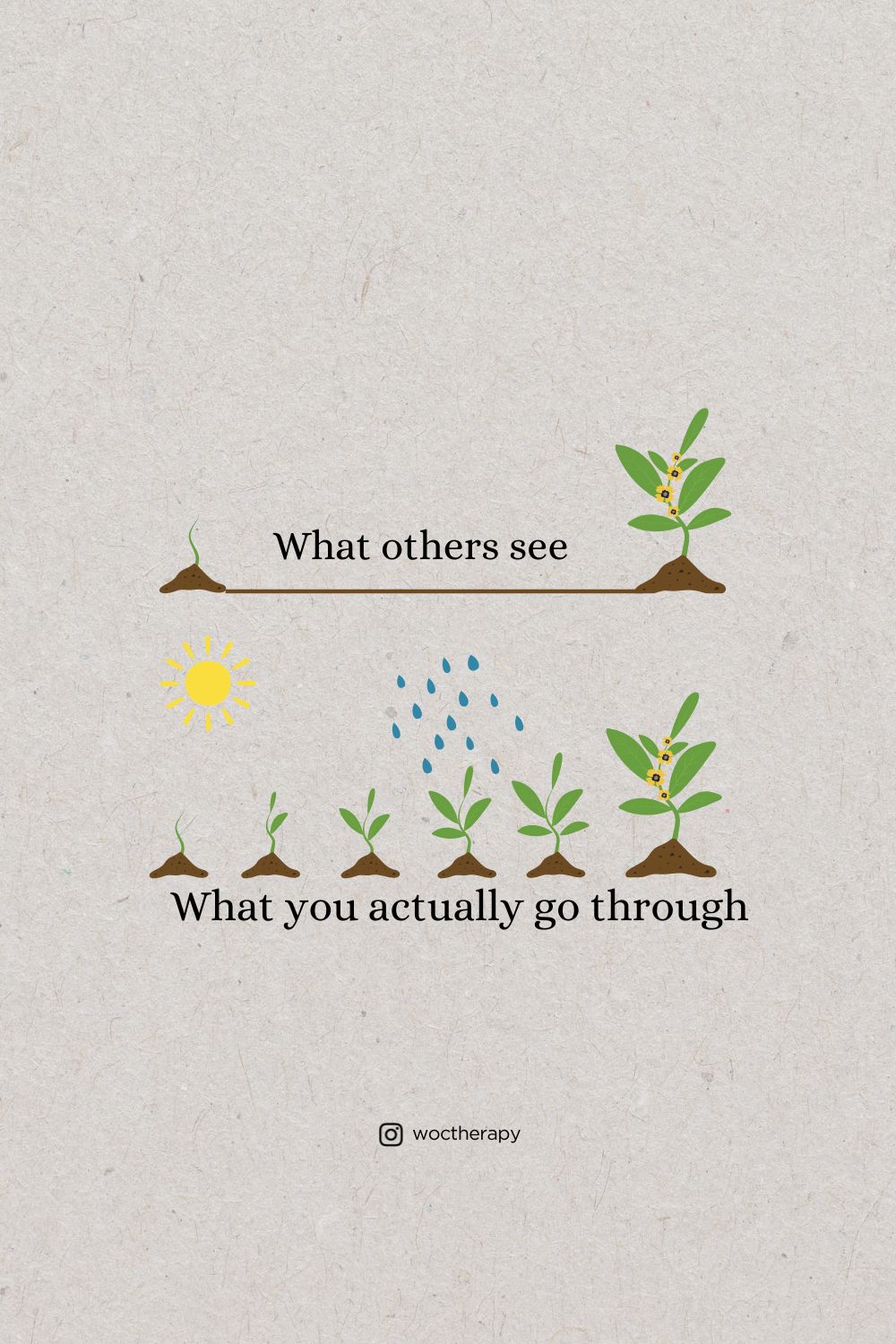
Wishing you a peaceful week!