Skip to content
The Idea of the Week
What Exactly is Neurodiversity? In a 6-minute video, Jessica outlines what neurodiversity is, what the neurodiversity movement is, and how it’s linked to the autistic community.
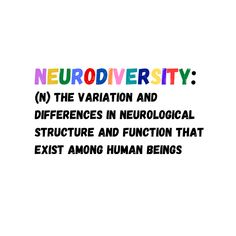
In short, neurodiversity is the concept of diversity of human brains in all people: human brains have neurological differences and vary in the way they develop and function. Neurodiversity can be broken down into 2 categories:
- Neurotypical: individuals whose brains develop and function in ways that are considered typical; and
- Neurodivergent: individuals whose brains develop and function in ways that are considered different, atypical, or “abnormal.”
People who are autistic are considered to be neurodivergent. Other examples of neurodivergence are people who have:
- ADHD,
- Dyslexia, dyscalculia, dyspraxia, etc.
- Tourette’s,
- Down syndrome,
- Epilepsy,
- Synesthesia,
- chronic mental health illnesses, such as bipolar disorder, obsessive-compulsive disorder (OCD), PTSD, dissociative identity disorder (DID), borderline personality disorder, anxiety, depression, etc.
- and more!
Practice of the Week
A way we can embrace these neurological differences is to listen to neurodivergent people’s experiences. In a 13-minute TEDx Talk, Salif Mahamane shares how ADHD sucks, but not really. He offers a current hypothesis about ADHD’s roots and an alternative perspective to how we engage with ADHD in school, at home, and with ourselves.
How does neurodivergence affect people’s work lives? In this 7-minute read, learn about Neurodivergence at Work and the challenges of being neurodivergent in the American office culture.
Share with us on our Instagram or Facebook page!
The Thought of the Week