Skip to content

The Idea of the Week
You may already know on some level that certain kinds of foods affect your mood and energy levels differently. For instance, you might feel tired, stressed, or irritable after eating processed foods, while leafy greens leave you feeling calm and focused.
One reason for this is the close connection between the gut and the brain, formally referred to as the gut-brain connection. In fact, the gut is sometimes nicknamed the “second brain” because of this connection and the influence on the brain.
As the saying goes, “You are what you eat.” What we consume plays a powerful role in shaping how we feel, both physically and mentally.
The Practice of the Week
Do you find yourself craving food when you’re not actually hungry? Or, do you eat when you “feel” hungry but you’re not actually hungry for food? In a 7-minute video, Therapy in a Nutshell explains How to Replace Emotional Eating with Emotion Processing and Intuitive Eating.
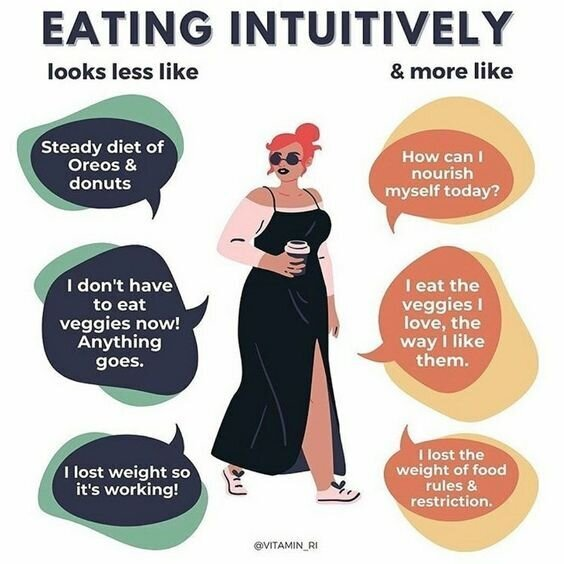
Intuitive eating (a 10-minute article) is a non-diet approach to eating by relying on hunger cues to meet your needs. Intuitive eating focuses on how food nurtures your body, and it helps develop a more positive relationship with food.
Intuitive eating is a separate practice from mindful eating (a 7-minute article). To mindfully eat is to fully experience what you are eating, the flavors, the chewiness, the texture, etc. Intuitive eating involves mindful eating and involves another layer of when to eat.
News of the Week
Sign up for our newsletter to be the first to know about upcoming events and special deals!
The Thought of the Week
Wishing you a peaceful week!