Skip to content
The Idea of the Week
What are your goals for the year? If you don’t know what skill to start building, begin by looking at your goals.
What kind of life do you want to create for yourself this year? Then identify the skills that could help you achieve that goal and vision for yourself.
For instance, if your goal were to foster your creative self, particularly through writing, then you might want to look at skills related to the writing process. Skills such as brainstorming, building characters, practicing with the pacing of a story, or strategizing a plot and conclusion.
Winter is a great time to invest in learning, so when summer arrives, you won’t be stuck inside trying to catch up! Below are some general winter-friendly skills to explore, helping you take meaningful steps toward your goals for 2025!
The Practice of the Week
The good news is that many of these skills are portable, and there are plenty of resources online that can support you in your journey. On YouTube, try searching “[Skill] tutorial” or “How to [skill]”. Some of these skills can be found on Indeed.
Wellness Skills
These are skills that feed into your wellness in all areas of life. The dimensions of wellness include your emotional, physical, intellectual, financial, social, environmental, and spiritual wellness (see the Wheel of Wellness, or the Self-Care Wheel, plus activities that contribute to your wellness).
- Examples: learn to cope and practice coping strategies; learn what movement exercises fulfill you; learn how to cook meals you enjoy; learn what foods you enjoy that provide you with a full, nutritious meal; learn what activities fulfill you and practice them; practice the skills listed in the other sections below!
- How to Practice: By reading this newsletter weekly, you’re already off to a great start in practicing these skills! Make time for yourself to try our Practice of the Week and explore the wellness activities in the article above. And, if you’re looking for more personalized support, consider counseling through Breathing Space Psychotherapy or coaching at Anam.
Interpersonal Skills
These are the skills you rely on when you interact and communicate with others.
- Examples: learn to receive compliments and criticize; learn how to provide feedback; learn nonverbal communication; develop your empathy skills; develop your active listening skills, etc.
- How to Practice: Tell someone about your goal to develop this skill and invite them to practice with you. Or, choose the setting you want to practice your skills in (such as at work, in your romantic life, or with your family). The best part? You can practice these skills even if you are working remotely!
Communication Skills
These skills are essential to many day-to-day activities. This is how we transmit and receive information to one another, and building these skills can help you not only communicate information more clearly, but by doing so you may also build stronger relationships, navigate difficult conversations, express yourself well and with confidence, effectively work through problems with others, and build connections.
- Examples: learn how to speak clearly; learn how to debate respectfully; learn and practice a new language; learn the art of deeper discussions or productive discussions; learn how to negotiate; learn how to resolve conflicts; practice reflective listening; practice empathy in your communication; practice using neutral or positive language about yourself and others as we learned last week, etc.
- How to Practice: Involve a friend or coworker to practice your communication skills with. Sign up to present at a staff meeting, to present in a class, or to give a speech at a conference. Search YouTube for communication techniques and learning a new language.
Financial Skills
Financial skills are important for every stage of life, and money, in general, can be a common yet significant source of stress. Building these skills can help you feel more in control, less overwhelmed, and make informed decisions that align with your wellness, values, and lifestyle.
- Examples: learn to create and follow through on a budget; learn how to check, build, and repair credit scores; learn about loans and how to apply; learn how to save and invest money, etc.
- How to Practice: Excel or Google Sheets are commonly used resources for budgeting and you can learn how to use them from YouTube tutorials. Try finding financial literacy websites or community resources to guide you.
Soft Skills
Soft skills are personal and interpersonal skills that help you navigate relationships, work, and daily life. This includes the other skills listed above, such as communication and interpersonal skills. These are contrasted with hard skills, also called technical skills, which is often acquired through education, training, or life experience (e.g., using Excel, speaking fluently in a foreign language, time management, editing, researching).
- Examples: practice open-mindedness; practice adaptability; develop critical thinking skills; develop your leadership skills; practice problem-solving; practice teamwork and collaboration, etc.
- How to Practice: Try active listening in conversations, reflect before responding in disagreements, or challenge yourself to adapt by switching up your routine. Engage in problem-solving games or group activities, and seek feedback to improve communication and collaboration.
Creativity Skills
Creativity is often thought of as just art. While creativity and art do go hand in hand, creativity is not just reserved for art. We can practice creativity in other areas of life, too!
- Examples: learn to crochet or knit; practice DIY (do-it-yourself) projects; learn photography; learn animation; learn how to plan an event; practice storytelling skills; learn web design; practice improvisation; learn about lateral thinking; practice reverse thinking; practice a new instrument, etc.
- How to Practice: Choose a medium of art and start practicing for 5 minutes every day. Check out YouTube tutorials. Pick up a pencil and doodle/scribble every morning while you drink coffee. We can often be very judgmental of our art, so practice shifting your mindset from focusing on the final product to enjoying and tuning into the process of making art. In non-art environments, practice brainstorming activities. Practice problem-solving or puzzle activities with others. Collaborate. Play strategy games, such as chess. Tell stories to your friends, family, or coworkers. Read books or listen to audiobooks.
Outdoor Winter Skills
This fun category refers to skills that are specific to the wintertime! Not only can you build the above skills into your life during the winter, but these skills also offer fun and physical ways to tune in with the Winter Vibe.
- Skiing
- Snowboarding
- Ice skating
- Snowshoeing
- Sledding techniques
- Ice fishing
- Building a snow shelter
- Starting a fire in winter conditions (practice safely!)
- Winter hiking and navigation skills
- Learning to dress properly for the cold
- Building snowmen
- Carving ice sculptures
- Winter photography
News of the Week
Sign up for our newsletter to be the first to know about upcoming events and special deals!
The Thought of the Week
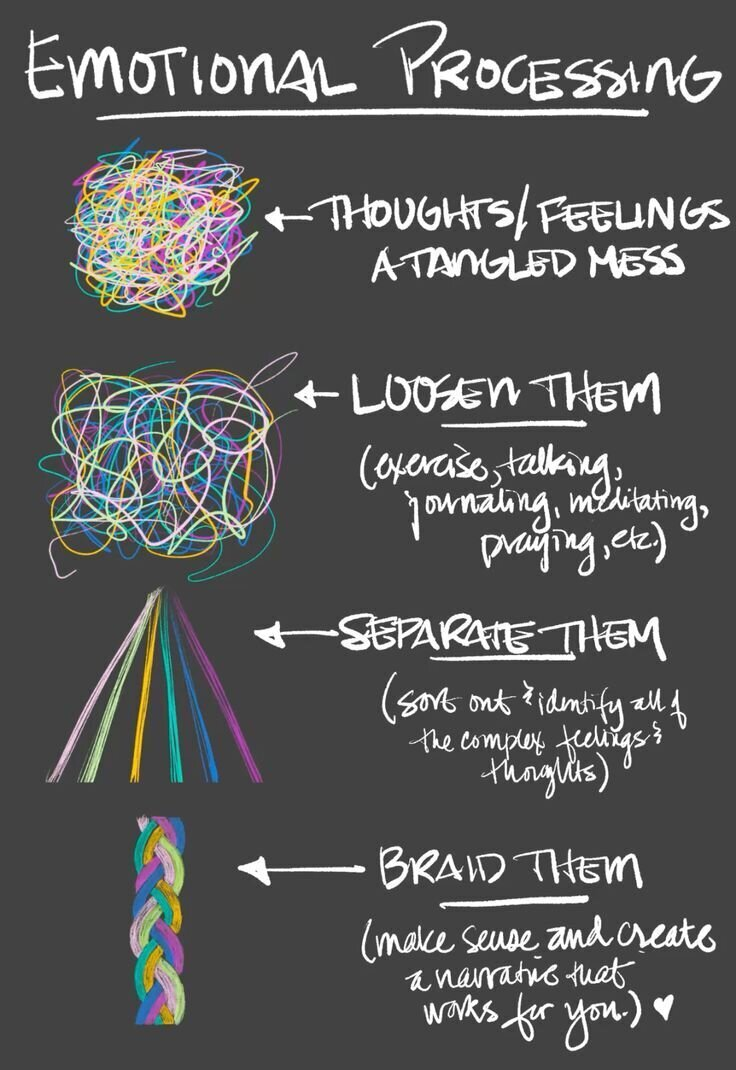
Wishing you a peaceful week!