Skip to content
The Idea of the Week
How do we build memories? Chris Baldassano, a neuroscientist, explores how experiences are packaged into memories in this 11-minute TEDx Talk.
Our memories are inextricably tied to our beliefs about the way the world works. In fact, our brains don’t just store the raw experience of a memory; they also bundle similar memories into a social script. These scripts are our expectations about the world, other people’s behaviors in a given situation, what will happen to us, and how we should react.
For instance, when you walk into a restaurant, you will activate your restaurant social script. Your expectations may be that the server comes to your table to take your drink order and share the menu. You expect the server to talk about what’s on the menu and discuss food and drink options, not exactly to break out into a philosophy lecture.
The interesting part? That experience you just had will be added to your restaurant social script—or walking into that specific restaurant with that specific waiter who spouted philosophy arguments. Each script is built up of past memories and is (ideally) updated with each new similar experience.
The Practice of the Week
This week, we invite you to spot your social scripts. This will help us build our mindfulness and “being-present” muscle.
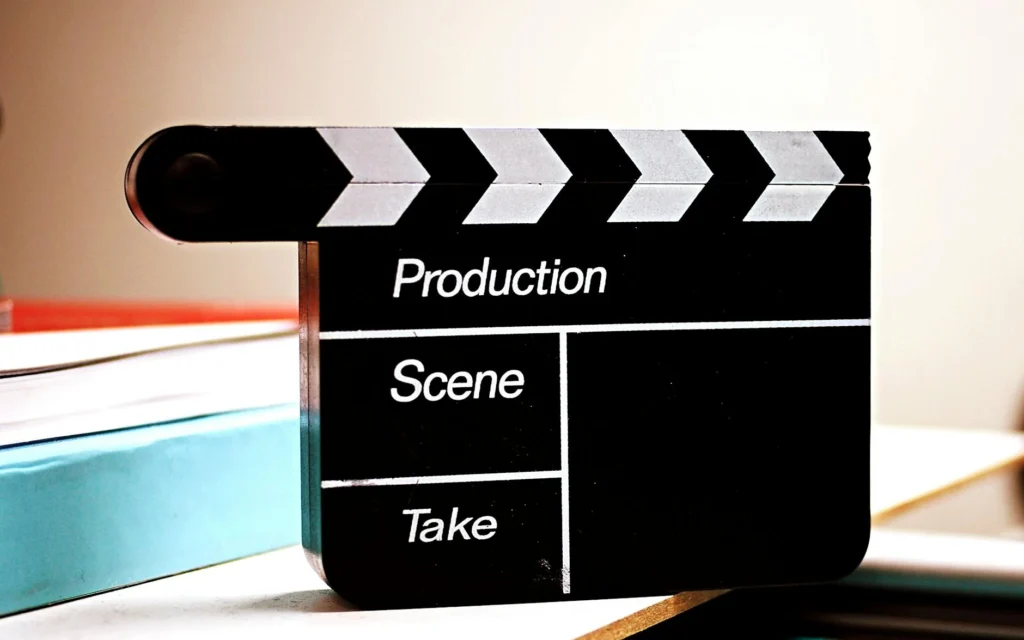
- Pick one routine situation you will likely have this week, such as greeting your coworkers on a Wednesday morning, entering a cafe for a morning coffee, or having a family dinner.
- Notice your script. Before or during the moment, ask yourself:
- What do I expect will happen?
- How do I expect people to act?
- How do I usually act?
- Enter the “scene” and observe what happens. Observe your thoughts, others’ behaviors. You don’t need to try to force change. Instead, try simply observing without judgment.
- Stay open to the moment. As the scene unfolds, try to notice when the interactions match your expectations and when it doesn’t—once again, observing without judgment.
- Reflect. Afterwards, simply note: What felt automatic? What felt fresh or different? If you’d like, journal about it. Dive into your feelings. When the interactions matched your script, what did you feel? If the interactions did not match your script, how did that feel?
This exercise is not about discarding the scripts. Actually, scripts are quite useful! Instead, use this exercise to practice being awake in the moment. Over time, you may find that being mindful in these small interactions creates space for more genuine connections.
With one last word from Chris, he shares: Be critical of the scripts you activate because they color the way you remember your life.
News of the Week
Wishing you a peaceful week!