The Idea of the Week
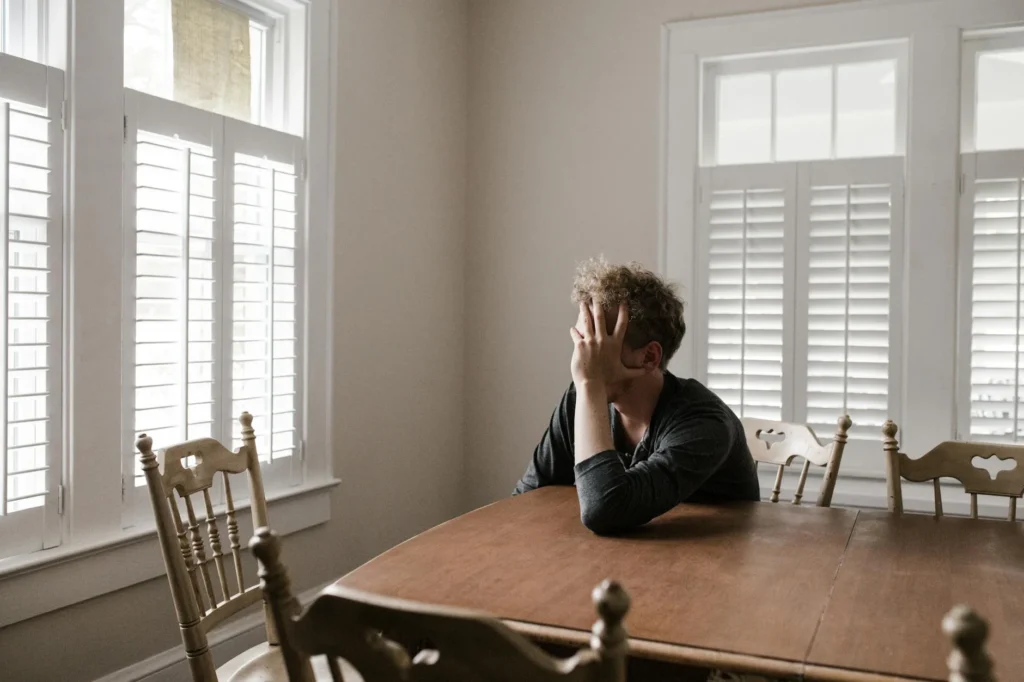
In this 24-minute video, Dr. K from HealthyGamerGG explains How Anxiety is Different for Men. He analyzes several research studies and pieces together the research to create a coherent understanding of occult (or hidden) anxiety in men. Anxiety in men is characterized by two distinct aspects:
- Low perceived control: In men, this typically occurs when there are many unsolvable problems and the solutions to fix the problems are not evident or in one’s control. I can’t control my life, and everything is falling apart.
- Physical symptoms: Women who experience anxiety are likely to have internal feelings, such as being worried or anxious. However, men who experience anxiety are more likely to report physical sensations, such as body tremors, headaches, or loss of appetite.
The low perception of self-control doesn’t just change one’s perception of the world. Dr. K argues that anxiety is not resolved simply by changing one’s perception because this occult form of anxiety is sneaky. This anxiety type is likely to create unsolvable situations.
“Low perceived control shapes the way you interact with the world,” Dr. K says. And, this way you interact with the world will create problems that you cannot fix. We tend to misattribute the cause and effect. We think the problem comes first, and then we feel out of control. Rather, we feel out of control, which creates problems for us.
Watch Dr. K’s video to hear his full in-depth explanation of the aspects, the sequence of events leading to low perceived control, and how men experience anxiety yet don’t realize it.
The Practice of the Week
Find PEACE from anxiety with this mind-body exercise from Emma McAdam on Therapy in a Nutshell, a 7-minute video.
When we are anxious or stressed out, we want to run away from the physical sensations our bodies are producing. Upset stomach? No thanks. Feeling tense? Roll that tension out of the body. Feeling jittery? Distract the mind with TV or our phone.
We find something to escape from our bodies. But this time, for today’s exercise, we’re going to lean into these sensations.
The important part of this exercise is that we are not trying to change anything about the sensations. Instead, we are noticing the sensation and holding it. We will hold the discomfort like we would comfort an upset friend.
Let’s get started!
- Be Present in your body. Notice where in your body you feel an uncomfortable sensation.
- Explore the sensation. Hold your hand to the part of your body where you feel uncomfortable. You could also try using a gentle weighted object to hold to the area.
- Accept the sensation. Don’t try to change the sensation. If your shoulders feel tense, don’t massage them to try to relax them. Instead, hold your hands or an object to the area and acknowledge that you are feeling tense.
- Affirm yourself. Emma offers these affirmations to repeat to yourself as you lean into the sensations: “I can feel this feeling and be okay.” “I can handle this feeling.” “I can make space for this feeling, and I can be okay.”
- Get Curious about your body’s messages. These uncomfortable sensations are your body’s way of communicating with you. Listen to your body. What does your body need? What do you need?
- As you make space for these feelings, you Expand your capacity to feel them. You expand your awareness of your feelings, and you may even begin to notice other areas of your body.
News of the Week
Sign up for our newsletter to be the first to know about upcoming events and special deals!
The Thought of the Week
Wishing you a peaceful week!