
The Idea of the Week
In this 15-minute video, Emma from Therapy in a Nutshell shares 6 Traits of Resilient People. She demonstrates how these traits help people bounce back from difficulties by breaking down a video on the adventures of house renovations. The 6 traits of resilient people include:
- A belief that everything is “figure-out-able.” In other words, resilient people have a growth mindset. You may not have the skills or capacity for something right now, and you know that you can learn them. A problem may seem unsolvable now, but you will learn the skills to solve the problem.
- Not doing everything alone. Resilient people are aware of their strengths and limitations. You don’t pretend to be self-sufficient. Instead, resilient people reach out for support. Because asking for help is not a weakness; it’s a strength!
- Developing skills to tolerate uncomfortable emotions. We may try to avoid feeling uncomfortable emotions because it’s not comfortable, right? It seems easier to shove it aside, grab a phone, and doomscroll until the feeling goes away. However, resilient people work through these uncomfortable feelings. You develop a repertoire of skills to work through these emotions. You build healthy coping skills because you can learn these skills.
- Focusing on what you can control. You may not be able to stop the situation from happening, but you can control your reactions and what you do about it.
- Being flexible and trying new things. Resilient people are adaptive. You learn to adjust your strategies in order to create new solutions. When something doesn’t work, you pick up another tool from your toolbox and try using that instead.
- Laughing. “The only way to get through life is to laugh your way through it. You either have to laugh or cry. I prefer to laugh. Crying gives me a headache.” —Marjorie Pay Hinckley.
The Practice of the Week
So, we’ve examined the traits of resilient people, but if you do not have these traits, then what? Resilience, then, may seem like something that is innate; something you have or you don’t, like your eye color.
However, resilience is a skill. You can learn these “traits.” Here are 3 practices that you can try this week to build your resilience.
Develop a growth mindset.
Growth mindset refers to adopting the belief that you can improve if you put in the effort. You believe that you are capable of learning and growing. Being good at something is not a fixed skill or innate. You can learn it.
Practice: Notice negative self-talk and try replacing it with positive affirmations. For instance, if you hear “I can’t…”, add “yet.”
Meet negative self-talk and failure, “Why should I bother? I can’t do anything right”, with curiosity and acceptance, “I made a mistake last time. What can I learn from it? What will I try doing next?”
The article from Verywell Mind also offers more practices to build a growth mindset.
Be okay with vulnerability.
The second trait involved asking for help, and asking for help is not an easy task. Often, shame gets in the way and forces us into isolation. Shame is that voice that says, “I shouldn’t need help. I should be able to do this.” But it’s not very helpful.
Asking for help feels vulnerable. It can feel like you’re declaring a weakness. So, one practice you can work on to cultivate that second trait is to learn to be okay with vulnerability—with your vulnerability.
Practice: Do something new and let yourself be bad at it (safely, of course!). For instance, if you don’t know how to paint, pick up a paintbrush and work those colors in messy circles on the page. You can try practicing this alone, but if you’re ready to take it to the next level, do this with someone—a friend, loved one, family member, partner, or coworker.
Focus on what you can control.
There is a lot in life that we cannot control. When we focus on these things, we grow hopeless and helpless that we could ever make a change.
However, when we focus on what we can control, we build a sense of personal agency. You may find yourself feeling less anxious or depressed.
Practice: Emma outlines a brief activity on Locus of Control in this 9-minute video.
- Grab a piece of paper and something to write with.
- Draw two intersecting circles in a Venn diagram.
- Write your problem at the top of the paper.
- At the top of the left circle, write “In my control.”
- At the top of the right circle, write “Out of my control.”
- At the top of the intersection, write “Influence.”
- Now, fill in the Venn diagram. Begin by listing items that are out of your control.
- Then list items that are in your control.
- Next, we get creative. This last circle, the intersection, contains the things that are not necessarily in your control, but what you do and say can influence the situation. What can you do that influences the situation?
- Finally, from this activity, focus your energy, time, and breath on the things that are in your control and influence.
News of the Week
Sign up for our newsletter to be the first to know about upcoming events and special deals!
The Thought of the Week
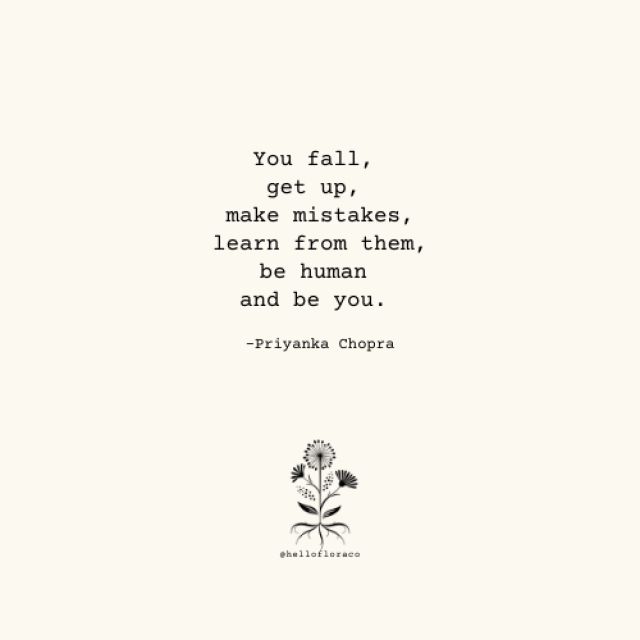
Wishing you a peaceful week!