
The Idea of the Week
When temperatures rise, you might notice you feel more brain-fog than you normally do. This phenomenon is not just in your head, though! It’s a physiological response to the heat, an often uncomfortable one when you are not accustomed to the hotter temperatures.
So, yes, heat can affect your brain and mood. Here’s why (4-minute article):
- Reduced Cognitive Function: Studies show that high temperatures can slow reaction times and reduce attention span. Furthermore, students taking tests on a hot day led to poorer performances, and when the temperature rises above the mid-80s in the office, workers’ productivity drops.
- Interrupted sleep: If you are not accustomed to the heat, it’s hard to get a good night’s sleep. This lack of restful sleep can further impair reaction time and attention span.
- Increased Fatigue: The body works harder to regulate its temperature, leading to increased fatigue. This can make simple tasks feel more exhausting.
- Dehydration: Heat leads to excessive sweating, which can result in dehydration and reduced blood flow to the brain. Even mild dehydration can affect concentration, alertness, and short-term memory.
- Mood Changes: High temperatures can influence your mood, often leading to irritability and a sense of lethargy. The discomfort of being too hot can exacerbate feelings of frustration and anxiety.
The Practice of the Week
Hard to stay cool this summer? Keep your focus cool and sharp with these strategies:
- Hydrate Regularly: Drink plenty of water throughout the day to stay hydrated. It’s an obvious strategy, but dehydration is common. You may underestimate how much fluid you need to replace when you’re sweating and exposed to heat for a long time.
- Eat Lighter Meals: It’s hard to focus when you have a heavy meal, and it’s in the 80s. The heat just feels all the heavier. So, instead, opt for lighter meals.
- Cool Environment: Use fans or air conditioning to keep your living and working spaces cool. When you are outdoors, find shade and regulate your exposure to direct sunlight.
- Wear Light Clothing: Choose breathable, lightweight fabrics.
- Hydrating Foods: Consume fruits and vegetables with high water content, like watermelon and cucumbers.
- Window Management: Use curtains or blinds to block direct sunlight from heating up your home.
- Exercise Smart: Opt for light exercises like yoga or stretching during cooler parts of the day. Also, make sure to stay hydrated during your exercise. If you are exercising and thirsty, you are on your way to becoming dehydrated.
- Take Breaks: Schedule frequent breaks during activities to rest and cool down.
- Embrace Cold Showers: Take cool showers to lower your body temperature.
- Wash Your Face with Cold Water: When you wake up in the morning, washing your face with cold water is a great way to wake up and energize yourself. Cold water can also help reduce skin puffiness.
- Avoid Peak Heat: Limit outdoor activities during the hottest parts of the day.
- Soak Your Feet in Cool Water: Surprisingly, feet play a role in regulating body temperature. Soak your feet in cool water, or chill lotion in the fridge, and apply the cool lotion to your feet.
- Tweak Your Schedule: Work with the temperature, instead of fighting against it. Schedule outdoor tasks or difficult tasks that require more attention during the early, cooler hours of the day or after the sun is down. When the heat is at its peak, rest, work indoors, or work on tasks that do not require as much energy or focus.
News of the Week
Sign up for our newsletter to be the first to know about upcoming events and special deals!
The Thought of the Week
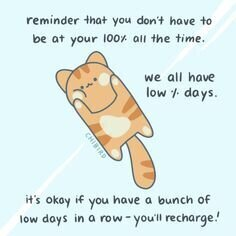
Wishing you a peaceful week!