
The Idea of the Week
In this 8-minute funny, existential performance, Baron talks to his mind, sharing his Confessions of a Recovering People Pleaser.
He contemplates the paradox of pleasing people to be liked when he does not like himself. He wonders at his strong desire to please others and finds that it is actually a fear of death and belonging.
He concluded as a child: “If others don’t like me, then I will die.”
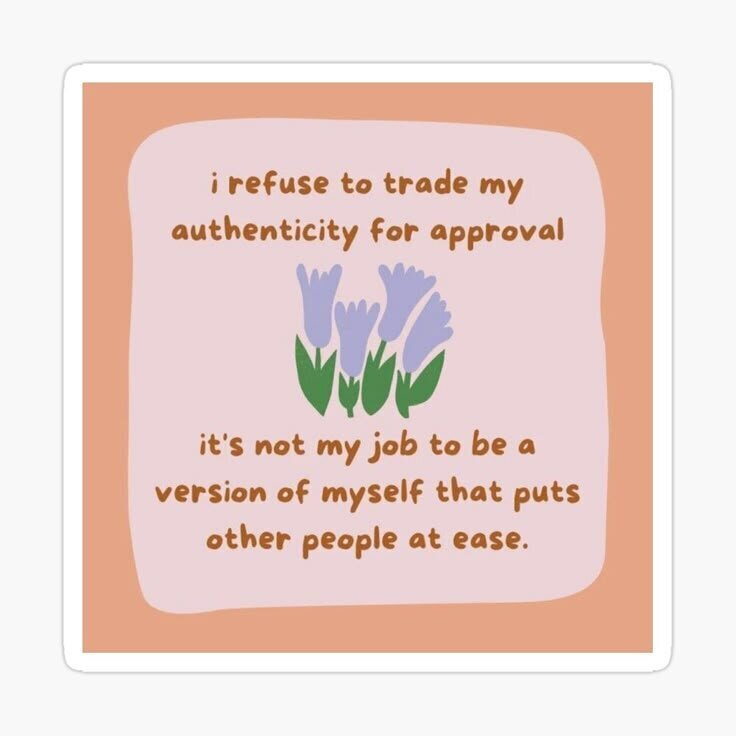
Now an adult, Baron recognizes that he can let go of what has made him feel safe, so he can be who he wants to be—not what others expect him to be. He can live a life that he wants.
So, why would we go to such lengths to make everyone like us? There are a few common reasons shared in the article linked below, but first, let’s reflect. Where do you think your people-pleasing behavior came from? Here are some prompts for you to consider:
- What behaviors do you notice you use to make others happy, calm them, or make them like you?
- When or how often do you engage in these behaviors?
- How do you feel before you engage in these behaviors? What leads to the behavior?
- How do you feel after you engage in these behaviors?
- What function do you think these behaviors serve? Or why do you think you try to please people?
- Describe a time you did say “no.” How did it feel to say “no”?
- Describe a time when you wish you had said “no.” What could you have done differently? How will you remind yourself of this when you are in a similar situation in the future?
- If you honored my boundaries and wishes today, what might change in your life?
For more signs of people pleasing behaviors and reasons why we may try use these behaviors, check out this PschologyToday article, a 5-minute read, or this 6-minute video from Psch2Go.
The Practice of the Week
Dr. Carly Lebaron joined Emma McAdam on Therapy in a Nutshell for this 28-minute video, which can also be played as a podcast episode if you prefer to play it in the background.
Dr. Carly specializes in helping people with perfectionism and people-pleasing behaviors. In this episode, they discussed perfectionism and people pleasing, signs of people pleasing, the benefits of people pleasing (because this behavior provides short-term benefits), self-esteem, fear, and change.
As summarized by Emma at the end of the video, the steps toward breaking free from people-pleasing habits and setting boundaries are outlined below:
- Recognize that you people please. Try using the reflection prompts from earlier to bring these behaviors into your awareness.
- Recognize this has some benefits in the short term, but in the long term, it makes you anxious, exhausted, resentful, and disconnected from people.
- Explore the belief that things could be better, and you can have a connection with others if you experience some discomfort first.
- Practice self-compassion.
Next time someone asks for a request from you, pause and ask yourself these questions before responding.
- How stressed will I be if I say “yes”?
- How much time or resources will it take?
- Do I have the time and resources?
- Is there something I really want to do?
- Does this person always ask me for favors, but it’s unavailable whenever I request something?
- If I say “no” and stand up for my needs, what am I afraid will happen?
If you often put others’ needs before your own, then prioritizing your own needs can feel foreign. It’s hard. Changing behaviors and tendencies take time, so start small. Build your momentum. And, don’t be discouraged when you fall back into these people-pleasing tendencies. Change takes time and effort.
News of the Week
Sign up for our newsletter to be the first to know about upcoming events and special deals!
Thought of the Week
Wishing you a peaceful week!