Skip to content

The Idea of the Week
All-or-nothing thinking can limit our growth by demotivating us when we hit a bump in the road. It can build our anxiety or depression and feed into mental health disorders that disrupt the way we function or make functioning challenging and more stressful. For more on how all-or-nothing thinking affects us, check out this article from VeryWell Mind.
For instance, say you are trying to build a habit of walking every day or practice a diet. If you skipped a day of walking, forgot to eat something green, or had something that was really sugary, all-or-nothing thinking could convince you it’s not worth trying to practice this anymore because you “failed.”
It says, “Best you stop now because there is no point in trying if you’ve already messed up.” Only it can be sneakier than this message. It can show up in very subtle ways that convince you that it is true before ever giving you the chance to see the bigger picture and the nuances.
Check out this short 1-minute video for the example.
The Practice of the Week
Emma McAdam from Therapy in a Nutshell offers several strategies to practice identifying and challenging all or nothing thinking.
You may notice that these strategies are not saying to “just focus on the positive” because focusing only on the positive is not always helpful. If you focus only on the positive, you could miss out on growth or deny taking any responsibility for what happened.
- Ask yourself, “Is thinking this way helping me live the life I want to?”
- Try to name an emotion instead of trying to create a distorted reality.
- Explore other ways of seeing a problem. Look for alternatives and more nuances to the situation
- Ask yourself, “What can I learn from this?”
- Use “and” instead of “or”. For instance, “I had a great week and some bad things happened to me.”
- Acknowledge both strengths and weaknesses and hold yourself with a growth mindset.
- Ask yourself, “What function does this faulty thinking serve?”
- Keep an eye out for “never” or “nothing” or “always” as they can indicate all-or-nothing thinking.
- If we want to change our thinking, we have to choose to be vulnerable. Stay open to both success and challenges.
- Practice self-compassion. Choose to respond to your mistakes with kindness. The harsher we are to ourselves, the more likely we are to avoid being comparable and doing the work.
News of the Week
Sign up for our newsletter to be the first to know about upcoming events and special deals!
The Thought of the Week
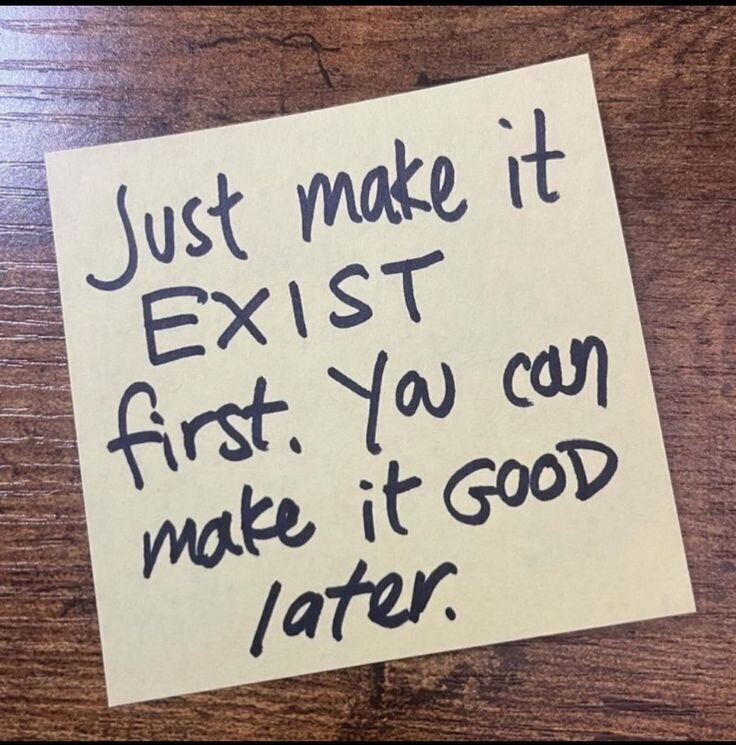
Wishing you a peaceful week!