
The Idea of the Week
Sometimes when we are looking forward to the future, we look at each step forward and get tangled in the brambles and bushes. This may set us off our path or set us back a while until we return to the path towards the end goal…or forge a new path to our goal.
Working backwards, psychology instead asks us to start with that end goal and reverse engineer ourselves to our current starting point.
When you are working backwards, you may find insights or solutions from this different perspective that help you to tackle what you want to achieve. Practicing these backwards psychology techniques can help improve your cognitive flexibility and build your problem-solving skills.
This 6-minute article from Psychology Today demonstrates how to use Backward Induction as a decision-making strategy. If you are feeling stuck on where to start with your goal, try conducting Backward Induction. The strategy may help you envision a trajectory for a project or goal. While you are not bound to this trajectory, it can help identify the required steps and actions and get a sense of a timeline.
The Practice of the Week
Struthless on YouTube uses Inversion (a 16-minute video) as one of his journaling techniques to practice reactions to solutions and problems. Sometimes brainstorming ways to create problems can make the solutions to your problems clearer.
In this prompt, take whatever question you have and ask the opposite instead. For instance, if your goal is to go on more walks this year, you may ask, “How do I go on more walks?” With this prompt, you would instead invert it, “How do I go on fewer walks?” and answer with ways you would focus on not going for a walk.
I would hide my walking clothes. Keep my shoes away from the door. I would schedule back-to-back meetings.
As you can see, these create ideas that you can then invert again as solutions to work on the problem.
Other ways you can play with Backwards Day include:
- Read texts in reverse order. Start with the final sentence, then read the second-to-last sentence, and so on until you reach the beginning of the text. This can be used for memorization, analysis, or a thought exercise if you engage with the text with each sentence.
- Write a Reverse Poem or a Palindrome Poem.
- Engage in a friendly challenge where you argue oppositely or speak in opposites.
- Switch up your meals or break up your routine. Is there a piece of your evening routine you could try in your morning routine or vice versa? How is this experience different? Notice how you feel.
- Imagine your goal or project failed miserably. Then work backwards to identify what could have gone wrong and how you can prevent that.
News of the Week
Sign up for our newsletter to be the first to know about upcoming events and special deals!
The Thought of the Week
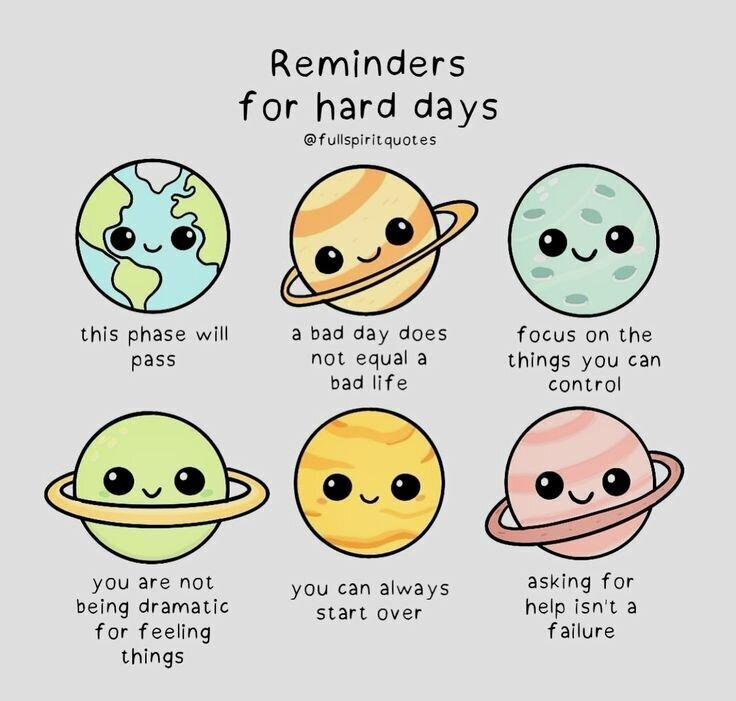
Wishing you a peaceful week!